Patricia Plattner
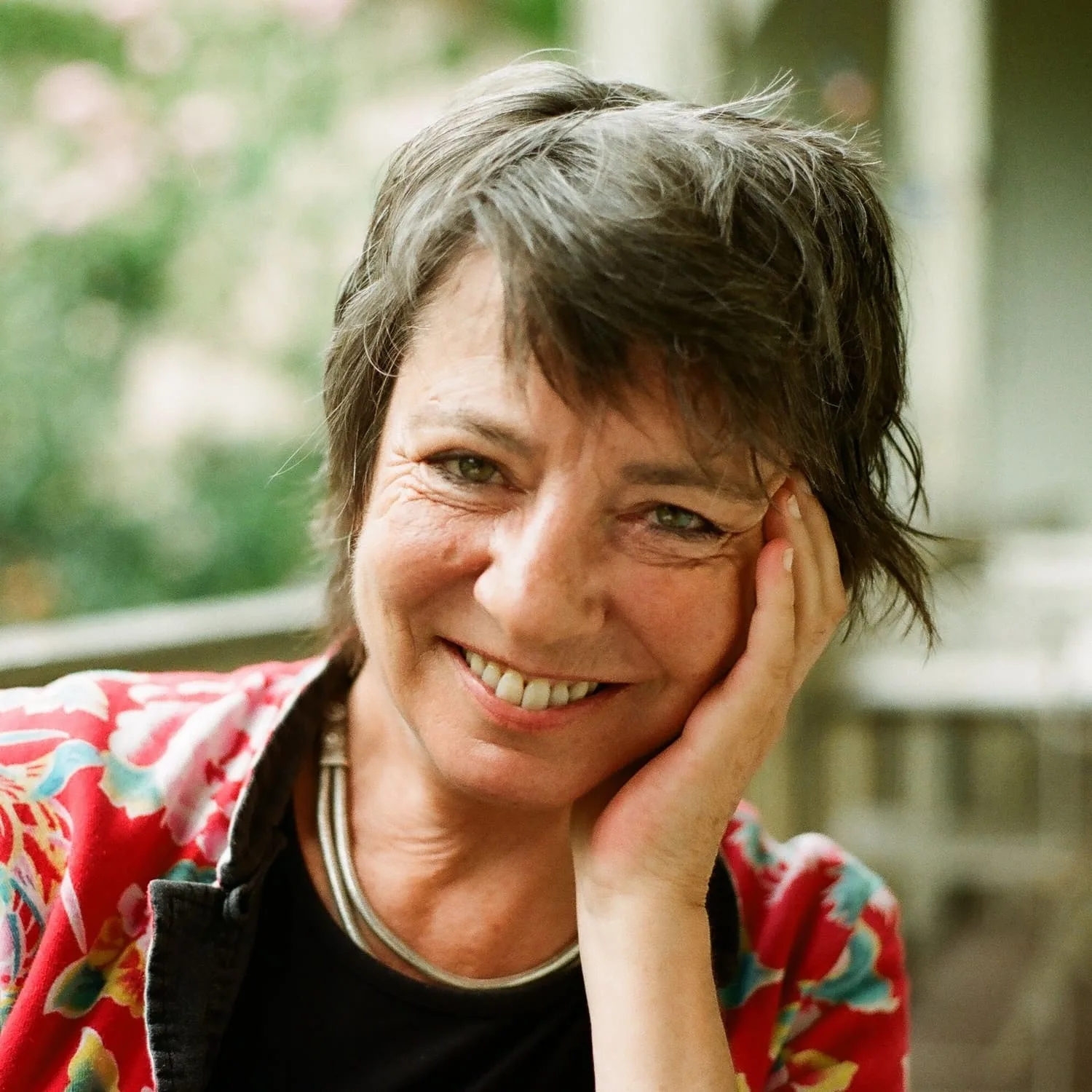
The quality which best describes Swiss filmmaker Patricia Plattner, and which perhaps explains the extraordinary sensitivity of her films, is her humility. “When making a film, it is important to have a premise, a clear idea of what you are looking for, but it is equally important to keep your mind open, to observe, to listen and not judge. You must not impose your preconception of what the film should be about.”
Plattner has made both features and documentaries, and all her films reflect an innate curiosity, her eagerness to understand other people’s cultures and her love of travel. If there is any continuous thread in her films, it is that they are not made in Switzerland. Plattner derives her inspiration from the world at large. The Owl and the Whale focuses on travel writer Nicolas Bouvier, who wrote about his car journey from Switzerland to Japan. Hotel Abyssinie is the story of a group of Italians, then in their 50s, who chose to remain in Ethiopia after the Second World War.
During her trip to South Africa, Plattner hopes to develop her documentary project about Ndebele art. Bringing her insight and sensitivity to bear, she intends to tell the story behind the image that has come to reflect the traditional art form in Southern Africa. In the same way that Plattner explored the issue of self-empowerment in Made In India (showing at the 2000 Festival), she hopes to look at how Ndebele craft workers have organised themselves in order to protect their interests. That is, of course, if that is what she finds. Maybe the film will end up being about something completely different?
Plattner was a guest of the 2000 Festival courtesy of Pro Helvetia, the Arts Council of Switzerland. She introduced all screenings of Made In India and the first of Maestro, Maestro! She acted as a tutor on the Close Encounters Laboratory (2000).
