Paul Watson
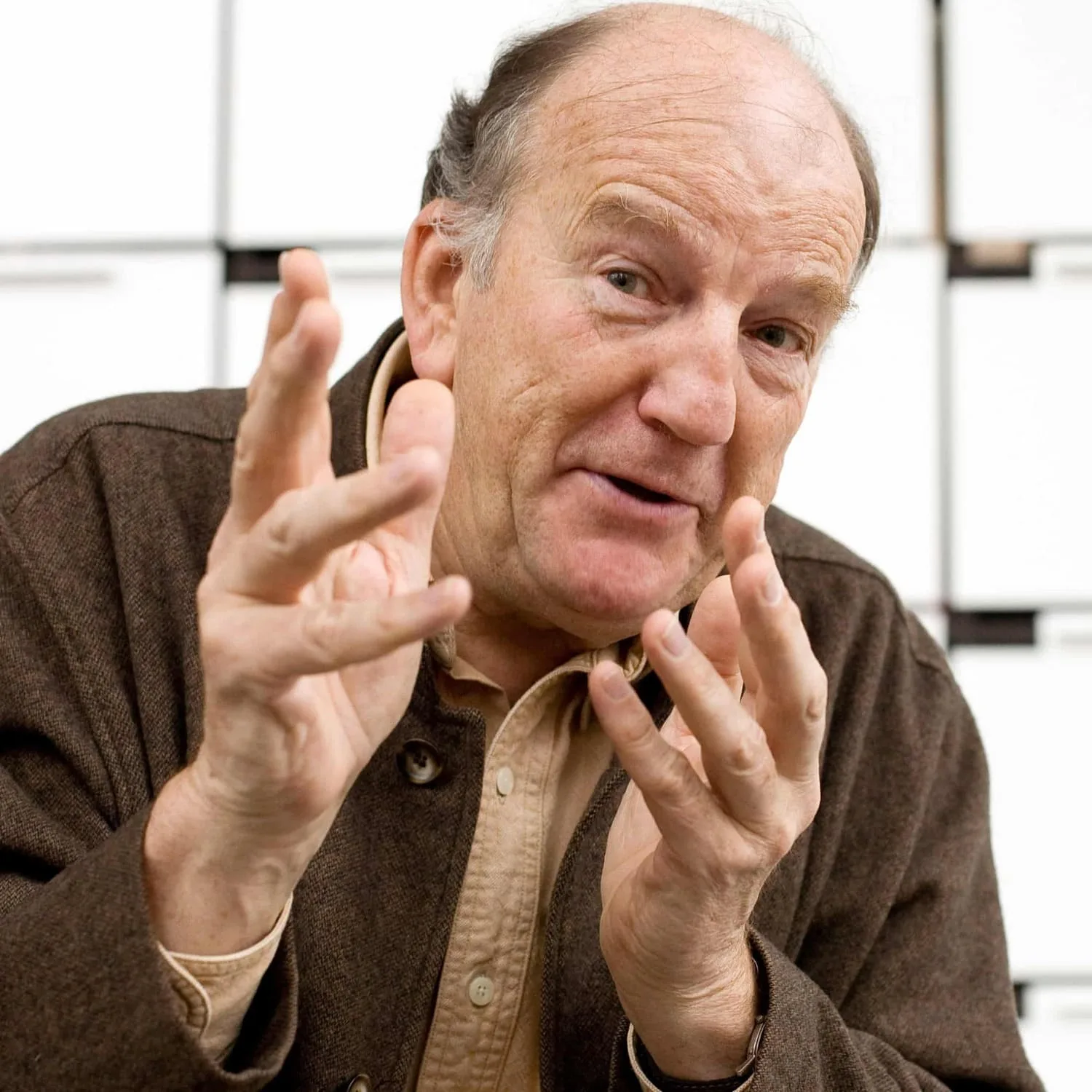
In 1967, as a “fly on the wall”, Paul Watson filmed The Family. This new technique was to become the forerunner of the docu-soap format. Watson, described by some as the father of docu-soaps, dismisses the trend, believing that the subversive potential has been trivialised and “dumbed down”. His first docu-soaps had socio-political content; they were to be the real-life spoof of drama soaps. Watson’s intention was to use the potential of this format to explore the human condition.
“Documentary film must question the status quo, and you can only do that if you speak to ordinary people, not politicians. People need to understand one another better.”
Watson would prefer to be remembered for A Wedding in the Family, which unearths the subtext that permeates a wedding between two very ordinary young people. Watson elicits confidences, so much so that the film is as much about the bitter disillusionment of the failed first marriage of the groom as the sweet union of marriage itself.
“My films are unique; they are influenced by the wants and the needs inherent in the film. My style evolved and is informed by the subject matter with which I am dealing.”
As a tutor for the Close Encounters Film Laboratory (2000), Watson hopes to convey the message that filmmakers need to be subversive, to probe the stereotypes, to dig beneath the surface, to bring the evidence into question and to live in the lives of the people they are filming.
“Documentary is a very important medium to help us understand each other. Authorship is everything.”